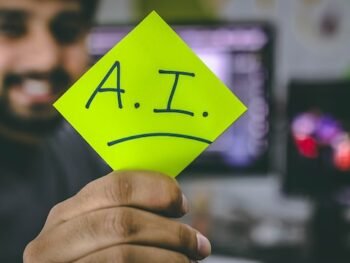
Trends in GenAI for Education: Transforming Learning Experiences
In recent years, Generative AI (GenAI) has made significant strides in various sectors, with education being one of the most transformative fields. As technology advances, the integration of AI tools in learning environments is reshaping how students engage with educational content. By exploring current trends in GenAI for education, you can uncover how these developments are enhancing learning experiences in real-time.
One notable trend is personalized learning. GenAI tools analyze students' learning patterns and preferences to create customized educational experiences. With the ability to adapt to individual needs, these platforms cater to diverse learning styles, ensuring students grasp concepts at their own pace. For instance, if you struggle with mathematics, an AI-driven application can offer tailored exercises, explanations, and resources to bolster your understanding. This level of personalization helps improve student engagement and outcomes.
Another exciting development is the use of AI-driven content creation tools. These platforms can generate quizzes, study guides, and other educational materials, saving educators valuable time. By leveraging GenAI, teachers can provide a wealth of resources that support various topics and skills. Additionally, these tools can also assist in creating engaging and interactive presentations, further enhancing classroom experiences. When teachers utilize such innovations, they can focus more on fostering critical thinking skills and collaboration among students.
The rise of intelligent tutoring systems is also reshaping education. These systems use GenAI to provide real-time assistance and feedback to students. Imagine having a virtual tutor available 24/7 to guide you through complex subjects. This technology responds to your questions and fills in knowledge gaps, allowing for deeper learning without the constraints of traditional classroom settings. The ability to engage in personalized, on-demand tutoring creates a supportive learning environment catered to your needs.
Collaboration is another area where GenAI is making waves. Educators and students can now utilize AI tools that enable collaborative projects, even when participants are miles apart. GenAI enhances communication platforms, making it easier for learners to share ideas, provide feedback, and work together seamlessly. For example, team projects can benefit from AI that organizes discussions or generates topic suggestions, allowing you to focus on content rather than logistics.
Data-driven insights are revolutionizing education as well. GenAI collects and analyzes vast amounts of data on student performance. This information helps educators identify areas where students may struggle and pinpoint effective teaching strategies. When teachers have access to detailed analytics on individual or classroom progress, they can make informed decisions that support student success. You can envision a future where both students and educators gain valuable insights, leading to improved educational outcomes.
Moreover, virtual reality (VR) and augmented reality (AR) applications powered by GenAI are enhancing immersive learning experiences. Interactive simulations allow students to explore complex concepts or scenarios in a safe space. For instance, a history lesson can become more engaging through a VR tour of ancient civilizations, making history more tangible than traditional textbooks ever could. By participating in these experiences, students develop a deeper emotional connection to the material, ultimately enhancing retention.
Furthermore, AI-assisted assessment tools streamline the grading process for educators. These tools not only save time but also provide objective evaluations. With an AI system reviewing assignments, teachers can focus more on personal connections with students instead of the administrative burden of grading. This transition can foster a more interactive and engaging classroom environment where students feel supported in their learning journeys.
Ethical considerations are rising to the forefront of conversations surrounding GenAI in education. As institutions adopt AI technologies, ensuring equitable access to these resources is crucial. The goal is to bridge the digital divide and offer every student the advantages that come with advanced technology. Ongoing discussions about the implications of GenAI will help create a balanced educational landscape that prioritizes inclusivity.
As you dive deeper into the trends in GenAI for education, you’ll find a world of possibilities that can transform traditional learning environments into dynamic and engaging experiences. With every development, GenAI continues to push the boundaries of what’s possible in education, ultimately aiming to enhance how you learn and interact with information.
The Role of GenAI in Personalized Learning Solutions
Advancements in Generative AI (GenAI) are significantly transforming the landscape of education, particularly in the realm of personalized learning. This technology enables tailored educational experiences, helping students learn in a manner that best suits their individual needs, strengths, and preferences. As the education sector adopts more digital solutions, understanding how GenAI plays a pivotal role in personalized learning solutions is essential.
One of the standout features of GenAI is its ability to analyze vast amounts of data quickly. This capacity allows educators to create customized learning experiences based on specific student performance metrics. By utilizing data-driven insights, teachers can identify areas where students excel and where they might struggle, allowing for targeted interventions. Here’s how GenAI fosters personalized learning:
- Adaptive Learning Paths: GenAI can generate adaptive learning experiences that adjust in real-time based on student progress. For instance, if a student struggles with a particular math concept, the system can offer additional resources or practice problems that focus on that concept, ensuring mastery before moving on.
- Tailored Content Creation: GenAI can create tailored quizzes, assignments, and learning materials that cater to individual student interests and abilities. This not only engages students more effectively, but it also fosters a love for learning.
- Feedback and Assessment: Generative AI tools can provide instant feedback on assignments, helping students understand their mistakes promptly. In addition, these tools can assess student performance and suggest personalized next steps for improvement.
Moreover, accessibility is a crucial aspect of personalized learning. GenAI enables the development of content that caters to diverse learning styles and disabilities. For example:
- Visual Learners: GenAI can create infographics or videos based on a student’s preferred learning style, enhancing comprehension and retention.
- Auditory Learners: Audio explanations or podcasts can be generated to aid those who learn better through listening.
- Students with Disabilities: Custom materials that address specific needs, such as text-to-speech options for visually impaired students, can be generated seamlessly using GenAI, broadening access to education.
The role of GenAI in personalized learning doesn’t just stop at content delivery; it extends to fostering stronger student-teacher relationships. Teachers can leverage AI-generated insights to have more meaningful one-on-one conversations with their students. By understanding a student’s learning style and progress, educators can provide personalized support, build rapport, and encourage student motivation.
Another significant advantage of using GenAI in personalized learning is the potential for global classrooms. Students from different geographical locations can access the same high-quality educational resources tailored to their needs. This democratization of education empowers learners everywhere, irrespective of their background. In doing so, GenAI also helps bridge the gap between various educational systems, creating a more inclusive learning environment.
However, integrating GenAI into education is not without challenges. Ethical considerations must be taken into account, such as data privacy and the potential bias within AI algorithms. It is crucial that educational institutions prioritize transparent practices when collecting and using student data. By maintaining these standards, the use of GenAI can remain a safe and effective tool for personalized education.
Looking ahead, the continual evolution of GenAI means that its capabilities will only expand further. As technology progresses, we can expect more advanced tools that will allow for deeper personalization. Imagine a tool that builds on a student’s emotional responses to different learning materials, adjusting content not just based on academic performance but also on emotional engagement. Such advancements have the potential to make learning not only more effective but also more enjoyable.
The integration of GenAI into personalized learning solutions holds immense promise. By providing adaptive learning experiences, creating tailored content, offering real-time feedback, and making education more accessible, GenAI can significantly enhance the educational journey. With careful navigation of ethical concerns and a commitment to transparency, educators can harness this powerful technology to create richer, more personalized learning environments that benefit every student.
How GenAI is Streamlining Administrative Tasks in Schools
As technology evolves, schools are continuously seeking ways to improve their efficiency, especially in administrative tasks. One of the most significant advancements in this area is the use of Generative AI (GenAI). This technology not only enhances the educational experience but also streamlines various administrative processes that can often be cumbersome. In this article, we will explore how GenAI is transforming the administrative landscape in schools.
First, let’s look at how GenAI tools help with scheduling. With intricate timetables, it can be a challenge for schools to allocate resources, classrooms, and teacher availability. GenAI algorithms can analyze existing schedules and suggest optimal class times, room assignments, and even adjust for any last-minute changes. Imagine how much time you could save if a program could automatically reorganize schedules based on necessary criteria!
Another significant advantage of GenAI is its ability to automate communication. Schools often have newsletters, announcements, and various forms of parent engagement. With GenAI, these communications can be generated much faster and tailored to specific audiences—whether it's a reminder for a school event or updates on student progress. This level of personalization boosts engagement and ensures that all stakeholders stay informed.
Moreover, GenAI can greatly simplify data management. Schools collect a vast amount of information, from student grades to attendance records. Manually inputting this data is tedious and prone to errors. GenAI can assist in data entry using natural language processing, making it easier to convert handwritten notes or audio recordings into digital formats. This reduces the burden on administrative staff and ensures accuracy, enabling better decision-making.
Budgeting and financial planning can be daunting for administrators. GenAI can analyze previous spending patterns and predict future costs, helping schools allocate their resources wisely. By identifying trends in financial data, school leaders can make informed decisions regarding funding and resource distribution. Here's how GenAI impacts budgeting:
- Predictive analytics: By analyzing spending data over time, GenAI identifies areas where costs can be optimized.
- Resource allocation: Helps in understanding which programs need more funding and which can be reduced.
- Real-time adjustments: Allows administrators to make timely financial decisions based on changing needs.
In addition to these operational efficiencies, GenAI can also assist in student recruitment and enrollment processes. Schools can harness data-driven insights to identify potential students based on various demographics and performance metrics. By predicting which students are most likely to succeed in their programs, schools can better tailor their outreach strategies.
We cannot ignore the role of GenAI in enhancing training for staff. By analyzing professional development needs through survey responses and performance metrics, GenAI can recommend personalized training programs for teachers and administrators. This not only helps in skill enhancement but also promotes a culture of continuous improvement and learning within the institution.
One area where GenAI shines is in analyzing feedback. Schools frequently gather information from students and parents through surveys. Generating insights from this data manually can be tedious. GenAI can process this feedback quickly and identify trends that need addressing. For instance, if multiple parents express concerns about lunch options, administrators can use this feedback to make necessary changes swiftly.
Moreover, GenAI supports compliance with various educational regulations and standards. Keeping up with legal requirements can be challenging for schools. With GenAI, schools can automate the monitoring of compliance-related documentation and ensure that all necessary reports are submitted on time. This reduces the risk of fines or penalties that stem from oversight.
It is essential to recognize the importance of GenAI in promoting equity in education. By analyzing data about student performance and access to resources, schools can identify areas of disparity. GenAI tools can recommend targeted interventions for underperforming groups, ensuring that every student receives the support they need to thrive.
The implementation of Generative AI in educational institutions is not just a futuristic concept; it's happening right now. By streamlining administrative tasks, GenAI enables schools to operate more efficiently, allowing educators to focus on what truly matters—teaching and nurturing students. As technology continues to advance, the role of GenAI in administrative functions will only grow, paving the way for a brighter educational experience for all.
The Impact of GenAI on Teacher Professional Development
The landscape of education is changing rapidly, and one of the most significant forces driving this transformation is Generative AI (GenAI). As educators seek innovative tools to enhance their teaching practices, the role of GenAI in teacher professional development has become increasingly important. With the ability to personalize content, provide instant feedback, and streamline administrative tasks, GenAI stands to reshape how teachers grow in their profession.
Personalized Learning Paths
One of the most notable trends in GenAI is its capacity to create tailored learning experiences for educators. Traditional professional development often adopts a one-size-fits-all approach, which may not address the specific needs of every teacher. However, with GenAI, teachers can engage in personalized learning paths. Here’s how:
- Individual Needs Assessment: GenAI can analyze a teacher's current skills and knowledge gaps.
- Custom Content Creation: It can generate resources that target specific areas for improvement.
- Adaptive Learning: Adjusting the learning pathways in real-time based on performance.
This tailored approach not only makes learning more relevant for teachers but also helps them to deepen their understanding and implement new strategies more effectively.
Instant Feedback Mechanisms
Feedback is crucial for professional growth. In the past, teachers might receive feedback only at the end of a workshop or class. GenAI changes that dynamic by offering instant feedback on lesson plans, educational materials, and teaching methods. This immediacy can empower educators by allowing them to:
- Refine Lesson Plans: Get suggestions on how to enhance lesson objectives and engagement strategies.
- Receive Real-Time Assessments: Evaluate the effectiveness of their teaching methods during live classes.
- Access Peer Insights: Collaborate with other teachers using shared GenAI platforms to improve their strategies.
The ability to get immediate insights not only makes teachers feel supported but also fosters a culture of continuous improvement.
Streamlined Administrative Tasks
Beyond content creation and feedback, GenAI can significantly reduce the administrative burdens teachers face. Time is a precious commodity for educators, and administrative duties can often take away from their focus on teaching. GenAI helps by:
- Automating Routine Tasks: Tasks like grading or scheduling can be managed more efficiently.
- Effective Resource Management: GenAI assists in organizing teaching materials and tracking student progress without manual oversight.
- Data Analysis: By analyzing student data, teachers can focus on areas that need attention, improving overall classroom performance.
This efficiency not only conserves time but also enables teachers to spend more quality time on professional growth and student interaction.
Collaborative Environments
With the rise of remote and hybrid classrooms, collaboration among educators has become more vital than ever. GenAI facilitates this collaboration by creating platforms where teachers can share resources, ideas, and strategies. This collaborative approach empowers educators, helping them to:
- Engage in Peer Learning: Share insights and experiences with fellow teachers in real-time.
- Participate in Global Communities: Connect with educators worldwide, broadening their perspectives.
- Access Diverse Resources: Tap into a vast reservoir of teaching materials created by peers from different backgrounds.
As teachers learn from one another, they grow collectively, enhancing the educational environment for their students.
Future-Ready Skills
As the educational landscape continues to evolve, teachers must equip themselves with skills that go beyond traditional methods. GenAI can help develop future-ready skills by introducing:
- Data Literacy: Understanding how to interpret data to inform teaching strategies.
- Tech Savviness: Embracing new technologies, ensuring teachers are comfortable with digital resources.
- Problem-Solving Skills: Utilizing AI-driven scenarios to enhance strategic thinking.
These skills are crucial for adapting to ongoing changes in the classroom and ensuring that educators can provide the best possible learning experiences for their students.
The integration of GenAI in teacher professional development is a game-changer. By personalizing learning paths, providing instant feedback, streamlining administrative tasks, fostering collaborative environments, and cultivating future-ready skills, GenAI is helping to transform how educators learn and grow. As we move forward, embracing these advancements will be vital in shaping a dynamic and responsive education system.
Ethical Considerations of GenAI in Educational Settings
As educational institutions rapidly integrate generative AI (GenAI) into their learning environments, it is crucial to address the ethical considerations that accompany this trend. Understanding the implications of using advanced technologies in education can pave the way for meaningful, responsible applications that enhance learning experiences while safeguarding the interests of students and educators alike.
One of the most pressing ethical concerns involves data privacy. Educational institutions often collect vast amounts of personal information about students, which can be processed by GenAI systems. It is essential to ensure that this data is protected from misuse. Parents and students need to be confident that their private information will remain confidential. Institutions must prioritize data security by implementing strict measures to control access and usage of personal data.
Another concern is the potential for bias in AI algorithms. GenAI systems learn from existing data, which may contain inherent biases. If these biases are not addressed, they could negatively influence educational outcomes. For instance, biased algorithms might favor certain demographics over others, leading to unfair treatment in assessments or individualized learning paths. To mitigate this risk, educational institutions should rigorously test AI software for bias, ensuring that it treats all students equitably and justly.
Moreover, the role of transparency cannot be overstated. Students and educators must be aware of how GenAI tools operate and how decisions are made based on AI outputs. If students do not understand the reasoning behind AI recommendations or automated feedback, it can undermine their trust in the educational process. Institutions should strive to provide clear explanations about how GenAI systems work, enabling students to make informed decisions regarding their learning materials and experiences.
Accountability is another vital component when considering ethical implications. If a GenAI system produces flawed or harmful recommendations, determining who is responsible can be challenging. Educators must hold themselves accountable for the choices they make in incorporating AI tools, ensuring that they remain vigilant about the potential impacts on students. This means continuously evaluating the effectiveness of these tools and making adjustments as necessary to promote positive outcomes.
A significant concern related to GenAI is the risk of over-reliance on technology. While AI can be a powerful aid in the learning process, it cannot replace human interaction and support. Students benefit from guidance, emotional support, and mentoring that only educators can provide. Therefore, striking the right balance between leveraging AI tools and maintaining human connections is essential for effective teaching and learning. Institutions should encourage educators to use GenAI as a supplement, rather than a replacement, for traditional teaching methods.
As AI systems play a role in assessments, another ethical consideration arises: fairness in evaluation. Automated grading systems, for instance, can incorrectly assess students' work, leading to unjust academic consequences. To ensure fairness, educators must retain the final say over grades and use AI-generated feedback as a supportive tool rather than an authoritative verdict.
In addition to these concerns, educators must consider the implications of academic integrity. With the rise of GenAI, students may be tempted to use AI-generated content for assignments without proper attribution. This raises serious issues regarding originality and honesty in academic work. To combat this, educators should emphasize the importance of academic integrity and teach students how to responsibly utilize AI tools in their research and writing processes.
As GenAI evolves, continuous education and professional development for educators are essential. Teachers must be well-equipped to integrate AI tools into their curriculum effectively and ethically. Ongoing training in using GenAI responsibly will empower educators to harness its benefits while navigating its challenges. Institutions should invest in regular workshops and resources for educators, fostering a culture of ethical AI use in education.
Ultimately, it is essential for educational leaders to foster an environment where ethical considerations surrounding GenAI are openly discussed and addressed. By prioritizing data privacy, addressing bias, maintaining transparency, ensuring accountability, and balancing technology with human interaction, schools can create a responsible framework for using GenAI in education. Together, educators, students, and policymakers can ensure that the integration of generative AI enhances the educational experience while upholding ethical standards.
Conclusion
As we explore the landscape of education, it's clear that Generative AI (GenAI) is becoming a cornerstone of modern learning environments. The ability of GenAI to transform learning experiences is not just a trend; it’s a significant shift in how education is approached. By enabling personalized learning solutions, GenAI ensures that each student receives instruction tailored to their unique needs, enhancing engagement and understanding.
Moreover, GenAI plays a vital role in streamlining administrative tasks, allowing educators to focus more on teaching and less on paperwork. This technology is reshaping how schools operate, making administrative processes more efficient and less time-consuming.
Equally important is the positive influence of GenAI on teacher professional development. With resources easily accessible and tailored to their growth, teachers can continuously evolve their skills to better serve their students and adapt to the ever-changing educational landscape.
However, the integration of GenAI in education also brings forth ethical considerations that educators and administrators must address. Balancing innovation with responsibility is crucial to ensure that GenAI is used in ways that are fair, equitable, and respectful of student privacy.
The trends in GenAI for education are paving the way for a more dynamic and effective teaching and learning experience. By embracing these changes while maintaining ethical standards, we can create educational environments that truly benefit students, educators, and the broader community. As we move forward, it will be exciting to see how these innovations continue to develop and reshape the future of education.