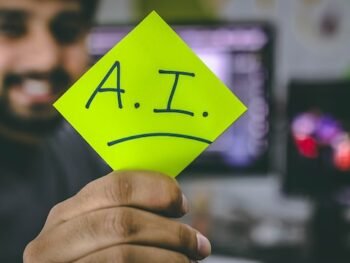
The Latest Innovations in Artificial Intelligence: Trends and Technologies
Artificial intelligence (AI) is transforming how we live and work. With rapid advancements and innovations, AI's potential seems limitless. Let's explore the latest trends and technologies shaping the AI landscape today.
Recent Breakthroughs in Machine Learning
Machine learning, a subset of AI, has continued to advance, enabling computers to learn from data without explicit programming. Recent breakthroughs include:
- Transfer Learning: This approach allows AI models trained on one task to apply their knowledge to different but related tasks, significantly reducing the time and data required for training.
- AutoML: Automated machine learning (AutoML) tools are simplifying the process of creating machine learning models. This democratizes access, allowing non-experts to leverage AI technology.
- Federated Learning: In this method, AI models are trained across decentralized devices, enhancing privacy and security by keeping sensitive data local.
Generative AI: Redefining Content Creation
Generative AI is taking the digital content creation world by storm. This technology can produce images, text, music, and even video. Some notable developments include:
- Text Generation: Models like OpenAI's GPT-3 can generate human-like text, creating articles, emails, and responses that are often indistinguishable from those written by people.
- Image Synthesis: Tools like DALL-E can generate realistic images based on descriptive text prompts, paving the way for creative applications in design and marketing.
- AI in Gaming: Games are beginning to utilize AI to create dynamic and adaptive narratives, making gameplay more engaging and personalized.
Natural Language Processing Advancements
The field of natural language processing (NLP) focuses on allowing machines to understand and interpret human language. Recent innovations include:
- Contextual Understanding: AI is improving in its ability to understand context within conversations, allowing for more meaningful interactions in applications like chatbots and virtual assistants.
- Conversational Agents: Enhanced voice assistants are becoming more adept at understanding nuanced questions and providing contextually relevant responses.
- Sentiment Analysis: Businesses are increasingly using AI to analyze customer sentiments from social media, reviews, and feedback, helping them make informed decisions.
AI in Healthcare: A Transformative Force
AI is making waves in the healthcare industry, where it aids in diagnostics, treatment planning, and patient management. Some recent applications include:
- Predictive Analytics: AI models analyze patient data to predict disease outbreaks and patient outcomes, allowing for timely interventions.
- Medical Imaging: AI algorithms can now interpret medical images with remarkable accuracy, assisting radiologists in diagnosing conditions.
- Personalized Medicine: AI-driven research is enabling more tailored treatment plans, catering to individual patient profiles and genetic makeup.
Ethics and Regulation in AI Development
As AI technology evolves, so do the challenges it presents in terms of ethics and regulation. Key points of focus include:
- Bias Mitigation: Efforts are underway to create AI systems that are fair and unbiased, ensuring that algorithms do not exacerbate existing inequalities.
- Data Privacy: Regulatory frameworks are being developed to safeguard user data and privacy as AI becomes integrated into various platforms.
- Accountability: As AI systems make decisions, it's essential to establish who is accountable for the outcomes, particularly in critical sectors like healthcare and finance.
The march of AI innovation continues, with each breakthrough pushing the boundaries of what technology can achieve. From machine learning to healthcare, the latest trends show that AI is not just a tool but a powerful ally in creating a better future. As these exciting technologies evolve, they promise to enhance our lives in ways we can only begin to imagine.
How AI is Transforming Industries: Real-World Applications
Artificial intelligence (AI) is ushering in a new era of innovation across various industries. Its transformative impact is not just theoretical—it's palpable, as organizations harness AI technologies to enhance efficiency, improve decision-making, and deliver superior customer experiences. Let’s explore how AI is revolutionizing different sectors with real-world applications.
Healthcare
In the healthcare industry, AI is a game-changer. Machine learning algorithms analyze vast datasets for medical research, leading to faster and more accurate diagnoses. Here are key applications:
- Predictive Analytics: AI models help predict patient outcomes, identifying at-risk patients and facilitating proactive care.
- Image Recognition: Deep learning technologies assist radiologists in interpreting medical images, improving precision in identifying tumors and other anomalies.
- Personalized Medicine: AI systems analyze genetic information to recommend tailored treatment plans, enhancing patient outcomes.
Finance
The finance sector is utilizing AI to minimize risk and enhance customer service. Financial institutions leverage AI for:
- Fraud Detection: AI algorithms monitor transactions in real time, swiftly detecting fraudulent activities, helping to protect customers and banks alike.
- Algorithmic Trading: AI-driven trading systems analyze market trends, executing trades at optimal times to maximize profits.
- Customer Service: Chatbots and virtual assistants handle customer inquiries efficiently, freeing human agents for more complex tasks.
Manufacturing
A significant shift is occurring in manufacturing as companies adopt AI-driven automation. This transformation includes:
- Predictive Maintenance: AI analyzes data from machinery to predict failures, reducing downtime and saving costs.
- Supply Chain Optimization: AI helps manage inventory and logistics, improving efficiency by predicting demand and minimizing waste.
- Quality Control: Machine vision systems evaluate products on the assembly line, ensuring they meet quality standards.
Retail
Retailers are embracing AI to create personalized shopping experiences. Here’s how:
- Recommendation Engines: AI analyzes purchasing patterns to recommend products, increasing sales and enhancing customer satisfaction.
- Inventory Management: Predictive analytics optimize stock levels, ensuring products are available when customers demand them.
- Virtual Assistants: AI chatbots answer customer queries, providing fast and accurate responses for improved service.
Transportation
The transportation industry is experiencing a tech-driven makeover, largely due to AI innovations. Key developments include:
- Autonomous Vehicles: AI enables vehicles to navigate and make decisions in real time, paving the way for driverless transportation solutions.
- Traffic Management: AI analyzes traffic patterns to optimize the flow of vehicles, reducing congestion and improving travel times.
- Predictive Maintenance: AI tools foresee potential vehicle malfunctions, enhancing safety and minimizing repair costs.
Telecommunications
In telecommunications, AI has significant implications for improving services and operational efficiency:
- Network Optimization: AI algorithms analyze network traffic to enhance performance and manage bandwidth effectively.
- Customer Insights: Analyzing customer interaction data enables companies to tailor services, predicting needs and improving customer retention.
- Automated Customer Support: AI-powered systems help resolve customer issues quickly, improving satisfaction rates.
The ability of AI to streamline operations, enhance customer experiences, and provide actionable insights is indeed reshaping the landscape across various fields. As these technologies continue to evolve, it becomes clear that AI’s impact will only grow stronger. Embracing AI is no longer an option—it’s a necessity for organizations aiming to thrive in an increasingly competitive marketplace.
Stay informed about AI advancements in your industry to leverage these technologies effectively. You'll be better equipped to adapt, innovate, and lead in your field, ensuring your relevance as AI continues to transform the way we work and interact.
The Ethical Considerations of Advancements in AI
The rapid advancements in artificial intelligence (AI) have brought about exciting possibilities in various fields. However, they also raise crucial ethical considerations that we must address. As AI continues to infiltrate our daily lives, the question arises: are we ready to navigate the implications of its capabilities?
One significant concern is the impact of AI on employment. Automation, powered by AI, can lead to job displacement. Many fear that machines may perform tasks that humans once did, raising questions about the future of work. You should consider how this shift might affect your career and the skills you will need to develop. Key points to think about include:
- Job Creation vs. Job Loss: While AI may replace certain roles, it can also create new opportunities in different sectors.
- Retraining Workers: It's essential to have programs that help displaced workers learn new skills relevant to an AI-driven job market.
- The Quality of Jobs: Some positions might become less fulfilling due to automated processes.
Privacy is another area where ethical issues arise with AI advancements. AI systems often require vast amounts of data to function effectively. This reliance on data collection can lead to significant privacy concerns. As you engage with AI technologies, consider:
- Your Personal Information: Be aware of what data is being collected and how it will be used.
- Consent: Ensure that your data is being processed with your informed consent.
- Data Security: Understand how companies protect your information from breaches and misuse.
Fairness and bias in AI systems present another ethical dilemma. AI algorithms are designed by humans, which means they can reflect human biases. When these biases are fed into AI systems, they can lead to discriminatory outcomes. When using AI technologies, it's vital for you to question their fairness by:
- Understanding the Data: Analyze the data sets used to train AI systems to identify potential biases.
- Ensuring Diversity: Advocate for diverse teams to develop AI applications to minimize bias in designs.
- Transparency: Support initiatives that call for transparency in AI decision-making processes.
As AI technology evolves, accountability becomes a pressing issue. When AI systems commit errors or cause harm, it's unclear who should be held responsible. You may want to consider how accountability can be enforced in AI applications:
- Establishing Clear Guidelines: Organizations should create standards for AI system accountability.
- Understanding Liability: There must be clarity on who can be held liable in the event of an AI failure.
- Public Involvement: Engaging the community in conversations about AI ethics can enhance accountability.
The ethical implications of AI extend to autonomy and decision-making. As AI systems make decisions on behalf of individuals, there are concerns about diminishing human autonomy. You should be aware of how AI might restrict your choices:
- Algorithmic Manipulation: Understand how recommendations may shape your opinions and reinforce biases.
- Informed Choices: Ensure you have the necessary information to make decisions independently.
- Maintaining Control: Advocate for maintaining human oversight in AI decision-making processes.
While AI advancements hold tremendous potential, addressing these ethical considerations is vital for our future. As you explore the world of AI, be proactive in understanding how these technologies impact your life and society. Engage in discussions, voice your concerns, and ensure that ethical safeguards are put in place to navigate this transformative journey responsibly.
Future Predictions: Where is Artificial Intelligence Heading?
As we look to the future, the realm of artificial intelligence (AI) is poised for groundbreaking advancements. The questions that arise often center around the innovations we can expect, the sectors that will thrive, and the ethical considerations we must address. With advancements in machine learning, natural language processing, and robotics, AI is transforming industries, creating new opportunities, and raising important questions about the future of work and society.
One of the most significant trends on the horizon is enhanced machine learning capabilities. AI systems are becoming increasingly adept at analyzing large data sets, recognizing patterns, and making predictions. This will lead to more accurate forecasting in industries such as finance and healthcare. For instance, predictive analytics can help doctors identify disease outbreaks before they occur or assist investors in making informed decisions based on market trends.
Another area showing potential is human-AI collaboration. AI systems are not just tools; they're becoming collaborative partners. In creative industries, you might find AI helping artists create music or generate visual art. In corporate settings, AI could assist employees by providing insights that enable better decision-making. This shift from viewing AI as a competitor to embracing it as a collaborator will reshape workplace dynamics and drive innovation.
Moreover, the evolution of natural language processing (NLP) is set to revolutionize the way we interact with technology. With advancements in NLP, AI can better understand human language, emotions, and context. This will improve human-computer interaction by making it more intuitive. Imagine virtual assistants that not only answer questions but also comprehend the user's mood and adjust their responses accordingly. This level of empathy in technology could enhance user experiences across various platforms.
In addition to these developments, AI is increasingly being integrated into smart home technology and the Internet of Things (IoT). As more devices connect and share data, AI will play a pivotal role in predicting and automating tasks. Picture your refrigerator notifying you when you’re out of groceries or your home management system predicting your energy usage patterns to save on bills. AI-driven IoT solutions will make our lives more convenient and efficient.
At the same time, ethical considerations regarding AI are also becoming a focal point. As we dive deeper into AI implementation, discussions around data privacy, surveillance, and algorithmic bias intensify. Ensuring AI technologies operate transparently and fairly will be vital as they become ingrained in our lives. Establishing guidelines for ethical AI development is crucial to prevent misuse and maintain public trust.
Furthermore, the future of AI may significantly transform the education sector. With personalized learning systems powered by AI, students can benefit from tailored educational experiences based on their learning styles and academic performance. AI can identify students’ strengths and weaknesses, allowing for targeted interventions that could enhance overall learning outcomes.
As AI technology evolves, the potential for autonomous systems in transportation is also on the rise. Self-driving vehicles and drones are not just futuristic concepts; they are gradually becoming a reality. By reducing human error, autonomous systems could transform transportation, making it safer and more efficient. Cities will need to adapt their infrastructure to maximize these changes, highlighting the intersection of technology and urban planning.
To summarize the various directions where AI is heading:
- Enhanced machine learning: Better analysis and predictions in finance and healthcare.
- Human-AI collaboration: AI as a partner in creative and corporate settings.
- Natural language processing: Improved understanding of human language and emotions.
- Smart home technology and IoT: Automation and convenience driven by connected devices.
- Ethical considerations: Addressing privacy, surveillance, and algorithmic bias.
- Personalized education: Tailored learning experiences for students.
- Autonomous systems: The rise of self-driving vehicles and drones in everyday life.
The future of artificial intelligence is bright and promising, filled with challenges and opportunities. AI stands to reshape our industries, improve lives, and create innovative solutions to everyday problems. Engaging with the potential and pitfalls of AI technology will ultimately determine how it influences our world in the years to come.
AI in Everyday Life: Enhancing Personal and Professional Experiences
Artificial intelligence (AI) is becoming a powerful tool in both our personal and professional lives. From the way we communicate to how we work, AI is enhancing our experiences, making tasks easier and more enjoyable. Understanding these developments can help you leverage them in your daily routine.
In your daily life, AI appears in many forms, often in ways you might not even realize. Virtual assistants like Siri, Google Assistant, and Alexa are perfect examples of how AI makes it easier to manage tasks. You can set reminders, ask for information, or control smart home devices with just your voice. This kind of convenience can save you time and keep you organized.
Smart Home Devices
Have you ever thought about how smart devices change your living environment?
- Smart Thermostats: Devices like the Nest Learning Thermostat learn your habits and adjust the temperature for you. This means more comfort and reduced energy costs.
- Smart Lighting: Lights that can be controlled remotely or set on schedules improve your home's energy efficiency and enhance your lifestyle.
- Security Systems: AI-powered security cameras and alarms help keep your home safe by offering real-time alerts and monitoring.
On the professional side, AI is revolutionizing the workplace. Many businesses are integrating AI tools to streamline operations and enhance productivity. For example, chatbots are being used in customer service to answer common queries, allowing human agents to focus on more complex issues. This improves response time and customer satisfaction.
AI in Communication
Communication is also evolving thanks to AI. Tools that utilize AI can help improve your writing. Applications like Grammarly and Hemingway use AI algorithms to suggest improvements in grammar and style, making your messages clearer and more effective. This means whether you’re drafting an email or writing a report, you can present your ideas more professionally.
Data Analysis and Decision Making
Data is crucial in decision-making processes today. AI-driven analytics tools can process large amounts of data to generate insights. This helps you understand trends and make informed decisions based on evidence rather than intuition alone. Companies use AI to evaluate customer feedback and adjust their strategies accordingly, ultimately leading to better customer experiences.
Personalized Recommendations
Have you noticed how Netflix suggests movies you might like? Or how Amazon shows you products based on your browsing history? These are examples of AI analyzing your preferences and providing personalized recommendations. This not only enhances your leisure time but also simplifies your shopping experience.
AI is playing a significant role in education, too. Online learning platforms are utilizing AI to create personalized learning paths for students. By identifying strengths and weaknesses, these platforms can adapt content to suit individual learning speeds, making education more effective.
Health and Wellness
Your health can see significant improvements through AI applications. Fitness tracking apps, like MyFitnessPal, use AI to help you set goals, track your exercise, and monitor your diet. Moreover, telehealth services now often incorporate AI to provide immediate access to healthcare professionals, making it easier for you to maintain your health without the hassle of traditional appointments.
Enhancing Creativity
AI isn't just about functionality; it can also enhance creativity. Tools such as DALL·E and Runway allow you to create unique images or graphics from simple text prompts, inspiring your artistic projects. Whether you are designing marketing materials or creating content for your blog, AI can help spark new ideas and projects.
AI is deeply integrated into both personal and professional spheres of our lives. By understanding the latest advancements, you can leverage these technologies to enhance your day-to-day experiences—making them simpler, more efficient, and much more enjoyable. As AI continues to evolve, its potential to enrich how we live, work, and interact is limitless.
So, stay curious and explore how these burgeoning AI technologies can work for you and transform your routines for the better!
Conclusion
Artificial intelligence continues to shape our world in profound ways. With the latest innovations emerging at an astonishing pace, we see a landscape filled with cutting-edge technologies that are redefining what is possible. From natural language processing breakthroughs to the rise of machine learning frameworks, AI is not just a futuristic concept; it’s a present-day reality that is drastically transforming various industries.
Real-world applications of AI showcase its versatility, improving efficiency in sectors like healthcare, finance, and manufacturing. For instance, AI-driven diagnostics in healthcare are saving lives, while automated trading systems in finance are optimizing market strategies. These examples illustrate just how integral AI is becoming across the board.
However, with these advancements come ethical considerations that cannot be overlooked. Issues such as data privacy, bias in algorithms, and the potential for job displacement demand our attention. It is crucial to address these challenges thoughtfully to harness AI's benefits while ensuring it serves the greater good.
Looking ahead, the future of artificial intelligence is bright yet complex. Predictions hint at even deeper integration of AI into our daily lives, creating smarter personal assistants and transforming how we work. This evolution promises to enhance both personal and professional experiences, making tasks easier and more efficient.
As you navigate this rapidly evolving landscape, remain informed and engaged. Understanding AI's potential and challenges will empower you to embrace its benefits, ensuring you are well-prepared for the technology-driven future that lies ahead. The journey of AI is just beginning, and it will continue to surprise and inspire us in unimaginable ways.